🤔 "That's Not Real AI!" - The Exhausting Definition Wars
TL;DR
- •Twitter debates whether machine learning qualifies as AI.
- •Experts clarify that machine learning is a subset of AI.
- •Understanding AI definitions helps entrepreneurs leverage technology.
The ongoing debate about what constitutes artificial intelligence (AI) has intensified, particularly with the rise of machine learning (ML) technologies. This discussion is crucial for entrepreneurs because it shapes how we think about and utilize AI tools in our businesses. Misunderstandings can lead to skepticism or even avoidance of technologies that could be beneficial. Clarifying these definitions can enable you to better harness AI for competitive advantage.
The Key Details
Recently, a tweet sparked controversy when it claimed that specialized medical machine learning algorithms, used for detecting cancer, aren't real AI but merely public relations for subpar technologies. This tweet racked up 2.5 million views, highlighting a growing trend where people separate what they perceive as 'good' AI applications from those they deem 'bad.'
Many individuals want to classify AI into categories, often labeling tools like ChatGPT as non-AI because they do not meet their expectations of what they believe AI should be. This bifurcation undermines the broader understanding of AI's capabilities. It's essential to realize that machine learning is a subset of AI, which in turn is not limited to general intelligence.
Understanding AI, ML, and DL
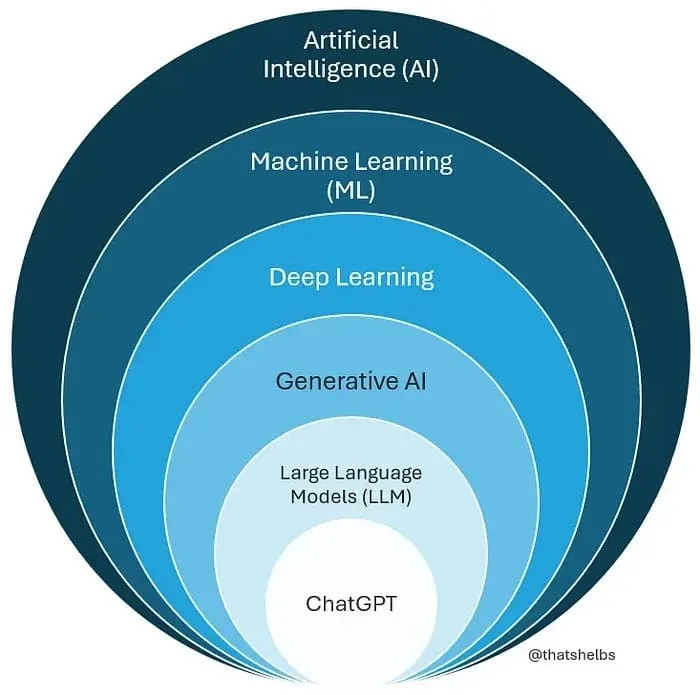
Artificial intelligence has been an academic pursuit since the 1950s, encompassing a range of techniques and applications. To clarify:
- AI: The broad field focused on mimicking human intelligence.
- Machine Learning (ML): A subset of AI where algorithms learn from data.
- Deep Learning (DL): A subset of ML that uses neural networks to analyze various factors of data.
For entrepreneurs, this means that leveraging machine learning technologies isn't just about using them for specific tasks; it's about integrating them into your broader strategic vision. From personalized marketing to predictive analytics, understanding these technologies can enhance decision-making and operational efficiency.
The Public Perception of AI
The public perception that AI is synonymous only with generative models like ChatGPT can limit the understanding of AI's broader applications. Many people recognize ChatGPT as AI, but this is just one flavor of a much larger field.
In practical terms, this means that as an entrepreneur, you should not confine your strategy to just generative AI. Instead, consider the potential of machine learning models in areas like customer segmentation, supply chain optimization, and risk assessment. By broadening your understanding, you can better identify opportunities to implement AI in ways that drive value.
Expert Insights on AI Definitions
During a recent livestream, it was emphasized that when people argue that tools like ChatGPT are not real AI, they often mean they aren't examples of Artificial General Intelligence (AGI)—which is AI that can understand, learn, and apply knowledge across a wide range of tasks like a human. In reality, AI today is primarily narrow AI, designed for specific tasks.
This distinction is crucial. Entrepreneurs should be aware that while we may not yet have AGI, the narrow AI applications available today, including machine learning, can significantly impact business processes. The technology is evolving rapidly, and being informed about these changes allows you to stay ahead.
Implications for Entrepreneurs
Embrace Machine Learning
Understanding that machine learning is a component of AI can empower you to utilize these tools effectively. Here are some actionable steps:
Identify Use Cases: Look for areas in your business where machine learning can automate tasks or provide insights, such as customer service through chatbots or predictive analytics for inventory management.
Invest in Training: Equip your team with knowledge about AI and machine learning. This will help them understand how to implement these tools effectively.
Stay Updated: The AI landscape is changing rapidly. Regularly update your knowledge about the latest developments, as this will help you leverage new technologies to improve your business operations.
Avoid Misconceptions
Recognize the misconceptions surrounding AI definitions as potential barriers to adoption. By understanding these concepts, you can confidently advocate for AI initiatives within your organization.
Communicate Clearly: When discussing AI with stakeholders, ensure that you articulate the differences between AI, machine learning, and deep learning. Clear communication helps in setting realistic expectations and gaining buy-in for AI projects.
Focus on Value: Instead of getting bogged down in definitions, focus on how AI can add value to your business. Whether it's improving customer experiences or streamlining processes, the benefits are often what matter most to stakeholders.
Conclusion
Overall, the definition wars around AI reflect deeper concerns about the technology's implications in our lives and businesses. As an entrepreneur, understanding these nuances not only helps in making informed decisions but also positions you to leverage AI effectively. By embracing machine learning and clarifying its relationship to AI, you can enhance your business’s capabilities and drive innovation.
Key Terms Explained
Artificial Intelligence (AI)
The field of study focused on creating systems that mimic human intelligence.
Machine Learning (ML)
A subset of AI that enables systems to learn from data without explicit programming.
Deep Learning (DL)
A subset of machine learning that uses neural networks to analyze data patterns.
ChatGPT
A generative AI model developed by OpenAI that can produce human-like text based on prompts.
Artificial General Intelligence (AGI)
A theoretical form of AI that possesses the ability to understand and learn across a wide range of tasks, similar to human intelligence.
Narrow AI
AI systems designed to perform a specific task or a limited set of tasks, as opposed to AGI.
Generative AI
What This Means For You
Leverage AI to Innovate
Understanding the nuances of AI terminology is crucial for entrepreneurs as it allows for better integration of these technologies into business strategies. By recognizing that machine learning is a key component of AI, you can explore various applications that enhance efficiency and decision-making.
Explore Machine Learning Applications: Consider deploying machine learning for predictive analytics, customer segmentation, or even automating repetitive tasks.
Educate Your Team: Providing training on AI concepts can empower your team to harness these technologies effectively, driving innovation within your organization.
Stay Ahead of the Curve
The AI landscape is evolving rapidly and staying informed is essential. This means regularly updating your knowledge about emerging technologies, tools, and best practices. By doing so, you'll be better positioned to leverage AI for competitive advantage.
Adapt to Changes: The rapid advancements in AI mean that new opportunities will continually arise. Be ready to pivot and adopt new technologies as they become available.
Focus on Value Creation: Ultimately, the goal of integrating AI should be to create value for your business. Focus on how these technologies can improve customer experiences, streamline operations, and drive growth.
Frequently Asked Questions
What is the difference between AI and machine learning?
AI is the broader field that includes any system mimicking human intelligence, while machine learning is a subset of AI focused on algorithms that learn from data.
Is ChatGPT considered real AI?
Yes, ChatGPT is a form of generative AI, which is a specific application of artificial intelligence.
Why do people say machine learning isn't AI?
Some people misunderstand AI terminology and separate useful applications from those they view as less credible, leading to confusion.
How can I use AI in my business?
Identify areas where AI can automate tasks or provide insights, such as customer service, analytics, and marketing.
What is AGI and why is it important?
AGI (Artificial General Intelligence) refers to AI with human-like reasoning and learning abilities, and it is important for future advancements in AI technology.
Sources & References
Love AI with Kyle?
Make us a Preferred Source on Google and catch more of our coverage in your feeds.