⚡ AI Uses Less Energy Than Your Netflix Binge
TL;DR
- •One ChatGPT prompt equals 5-10 seconds of Netflix streaming.
- •Data centers use 3% of global electricity, with AI accounting for about half.
- •China leads in energy production, investing in renewables to support AI growth.
In the ongoing dialogue about AI's impact on our world, energy consumption has emerged as a critical topic. With AI technologies rapidly evolving, it’s essential for entrepreneurs to understand how energy usage factors into their operations and the broader implications for sustainability. Recent analyses shed light on how the energy demands of AI compare to other popular activities like streaming video, revealing surprising insights that challenge common perceptions.
As AI technologies become more prevalent, the discussions around their environmental footprint intensify. It’s crucial for businesses to grasp not just the costs associated with AI but also the opportunities that arise from optimizing energy consumption and exploring renewable sources. This is particularly relevant as governments and corporations around the globe increasingly pivot towards sustainability.
The Key Details
Simon Willison, a notable figure in the AI community, recently performed a back-of-the-envelope calculation that equates one ChatGPT prompt to approximately 5-10 seconds of Netflix streaming. This means that if you were to watch a one-hour show, it would require about 360 prompts in terms of energy consumption. While this might seem significant, it places AI’s energy usage into perspective against common digital habits like binge-watching.
Interestingly, data centers, which are critical for hosting AI applications, now account for about 3% of the world’s electricity consumption. Approximately half of this is attributed to AI, highlighting the growing energy demands of these technologies. Despite this increase, it's essential to recognize that 97% of global electricity consumption is used elsewhere, primarily in industrial, commercial, and residential settings.
China's Energy Strategy
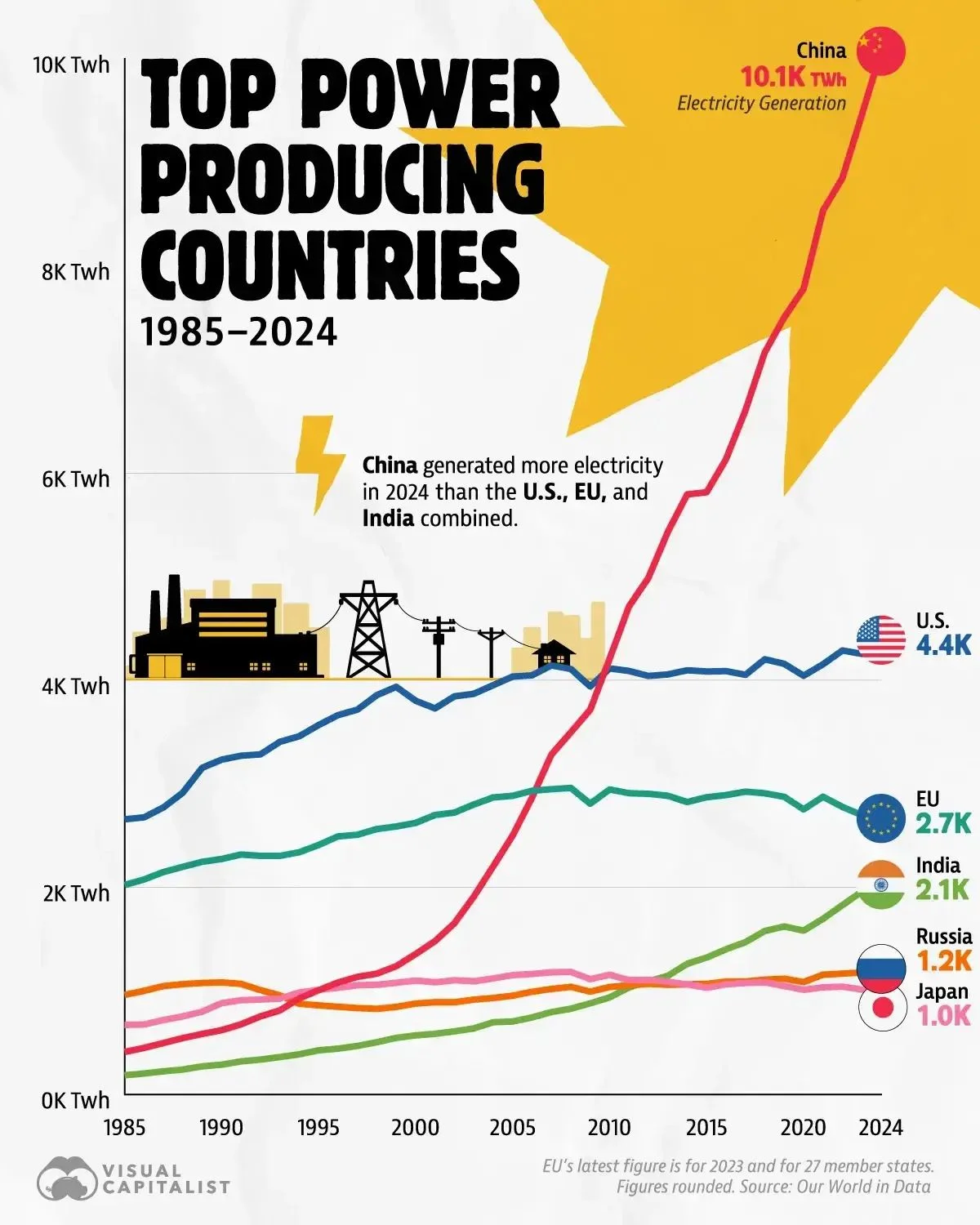
China has made significant strides in energy production, now generating over 10,000 terawatt hours of electricity annually, far surpassing the United States, which stands at around 4,000 terawatt hours. The Chinese government has prioritized AI as a strategic sector, investing heavily in renewable energy sources like solar power. This proactive approach not only supports the country's AI ambitions but also positions it as a leader in global energy production.
The implications of this are profound for entrepreneurs and businesses operating in AI. As China ramps up its energy production and embraces sustainability, it creates a competitive advantage in the AI sector. Entrepreneurs in other countries need to consider how their energy strategies align with these global trends and what steps they can take to optimize their energy use.
The Irony of Energy Consumption
A fascinating twist in the narrative is how AI companies are now incentivized to invest in renewable energy and nuclear power to reduce costs. The profit motive is aligning with environmental goals, suggesting that companies might inadvertently contribute to combating climate change. This shift is not just about altruism; it's about staying competitive in a rapidly evolving market where energy efficiency can significantly impact profitability.
For entrepreneurs, this represents an opportunity to leverage these energy advancements. By aligning business models with sustainable practices, companies can differentiate themselves in the marketplace, potentially attracting consumers who are increasingly environmentally conscious. This creates a dual benefit: reducing operational costs while enhancing brand reputation.
The Path Forward
As AI continues to evolve, so too will its energy requirements. Entrepreneurs must stay informed about energy trends and consider how they can integrate sustainable practices into their operations. Here are some actionable steps:
Evaluate Energy Sources: Assess your business’s energy consumption and explore options for renewable energy sources.
Optimize AI Use: Use energy-efficient AI models and technologies to minimize electricity consumption.
Advocate for Sustainable Practices: Engage with stakeholders about the importance of sustainability in AI development.
By taking these steps, entrepreneurs can contribute to a more sustainable future while also positioning their businesses for success in an increasingly competitive landscape.
Conclusion
In summary, understanding the energy implications of AI not only aids in making informed business decisions but also highlights the broader context of sustainability in the tech industry. As the world moves towards more efficient energy use, entrepreneurs have the chance to lead the charge in integrating these practices into their business models, ultimately benefiting both their bottom line and the planet.
Key Terms Explained
ChatGPT
OpenAI's large language model known for generating human-like text based on prompts.
Data Center
Facilities used to house computer systems and associated components, including telecommunications and storage systems.
Terawatt Hour (TWh)
A unit of energy equal to one trillion watt-hours, commonly used to measure electricity production and consumption.
Renewable Energy
Energy that is collected from resources that are naturally replenished, such as solar, wind, and hydro power.
Nuclear Power
Energy produced through nuclear reactions, often considered a low-carbon energy source.
Energy Efficiency
Using less energy to provide the same service, which can reduce costs and environmental impact.
Kardashev Scale
What This Means For You
Actionable Insights for Entrepreneurs
Understanding the energy dynamics of AI is crucial for entrepreneurs looking to harness these technologies effectively. Here are some key takeaways:
Energy Efficiency is Key: As AI continues to grow, its energy demands will rise. Entrepreneurs should prioritize energy efficiency in their operations, exploring technologies that minimize electricity usage.
Leverage Renewable Energy: Investigate options for renewable energy sources to power your AI operations. This not only reduces costs but also aligns your business with sustainable practices, appealing to environmentally conscious consumers.
Stay Informed: Keep an eye on global energy trends, especially developments in regions like China, which can inform strategic decisions about where to invest and how to structure your business model.
By taking these steps, entrepreneurs can position themselves advantageously in an increasingly competitive market while contributing to a more sustainable future.
Frequently Asked Questions
How does AI energy consumption compare to other technologies?
AI's energy consumption is significant but often less than that of activities like streaming video services.
Why is China's energy production increasing so rapidly?
China has prioritized energy production as a strategic goal, investing heavily in renewables like solar power.
What are the implications of AI companies investing in renewable energy?
This could lead to lower operational costs and a positive environmental impact, aligning profit motives with sustainability.
How can entrepreneurs benefit from understanding AI's energy use?
By optimizing energy consumption and investing in renewables, businesses can reduce costs and enhance their market positioning.
What steps can businesses take to become more energy-efficient?
Evaluate energy sources, use energy-efficient AI models, and advocate for sustainable practices.
Sources & References
- Simon Willison analysisanalysis
- AI with Kyle Livestream Discussionofficial
Love AI with Kyle?
Make us a Preferred Source on Google and catch more of our coverage in your feeds.