🔓 Open Source AI: Why It Actually Matters
TL;DR
- •Open source AI models allow full control and customization.
- •Chinese labs lead in open source AI development.
- •Closed source models limit access and flexibility.
The landscape of artificial intelligence is shifting, and understanding the distinction between open source and closed source AI is crucial for entrepreneurs looking to leverage these technologies. With major players like OpenAI and Google tightening their grips on proprietary models, the rise of open source alternatives, particularly from Chinese labs, presents both opportunities and challenges. The ability to download, customize, and deploy these models locally can fundamentally change how startups and businesses approach AI implementation.
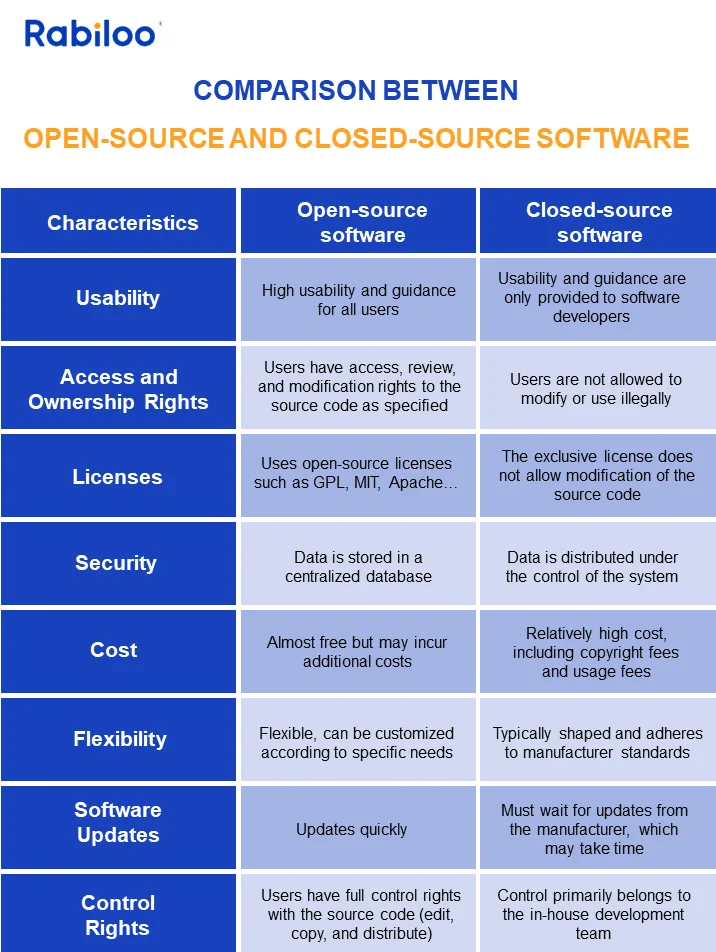
As AI technology continues to evolve, the choice between open and closed source could determine not just how you use AI, but how much control you retain over your data and applications. This is especially relevant in our current climate, where security and data privacy have become paramount.
The Open Source Advantage
Open source AI models like those emerging from Chinese labs, including Deep Seek and Qwen, offer a compelling alternative to the closed source models provided by companies such as OpenAI and Anthropic. The key advantage of open source is the freedom it provides: you can download the model, run it on your own hardware, and tailor it to your specific needs.
This flexibility is particularly appealing for startups looking to innovate without incurring high costs associated with API usage from closed source providers. Entrepreneurs can fine-tune models to perform specific tasks or optimize them for their unique datasets, allowing for a degree of customization that closed models simply don't offer. By deploying models locally, you also sidestep potential security concerns that come with sending sensitive data to external servers.
Cost-Effectiveness
Another critical aspect of open source AI is its cost-effectiveness. Many startups are finding that they can leverage powerful Chinese models at a fraction of the cost of using closed source alternatives. For instance, while services like Nano Banana Pro charge around 15 cents per image, open source solutions like Flux 2 can generate images for roughly 3 cents each.
This drastic difference makes it feasible for businesses to scale their AI applications without the burden of exorbitant fees, allowing them to invest more in other areas of their operations. This financial flexibility can be a game-changer for early-stage companies that need to maximize their resources.
Security Considerations
In an era where data breaches and privacy concerns are rampant, security is a top priority for many businesses. Running an open source model locally can actually enhance your data security. When you use a closed source model, every query you make sends data back to the provider's servers, raising concerns about data mishandling.
Conversely, with an open source model, you can operate entirely offline if desired. The model runs on your hardware, isolating it from external threats. This is particularly appealing to businesses that handle sensitive information or operate in regulated industries. By controlling your AI environment, you minimize the risk of data exposure.
Expert Insights
During a recent livestream discussion, it was noted that many American startups are opting for Chinese open source models due to these advantages. The speaker emphasized that using an open source model is not just about cost; it’s about gaining complete control over the technology your business relies on. This trend suggests a significant shift in how businesses view the development and deployment of AI technologies.
The Current Landscape
While the open source movement is gaining momentum, it’s important to note that the closed source models are not without their merits. Companies like OpenAI and Google provide highly polished products that often outperform their open source counterparts in terms of user experience and support. However, the trade-off is that users lack control over these models and may face limitations in how they can be utilized.
Meta’s recent decision to halt updates on its open source Llama models highlights the shifting priorities among major tech players. This has left the door wide open for Chinese labs to dominate the open source space, presenting a unique opportunity for entrepreneurs willing to explore these alternatives.
What Can You Do?
For entrepreneurs, the implications of this shift are significant. Here are some actionable steps you can take:
Explore Open Source Options: Investigate the available open source models and consider how they can integrate into your existing systems.
Assess Your Needs: Determine whether the flexibility and control of an open source model align with your business goals and data policies.
Stay Informed: Keep up with developments in both open and closed source AI to make informed decisions as technology evolves.
By understanding the landscape and weighing the benefits and drawbacks of each model type, you can position your business to effectively leverage AI technologies.
The Future of AI Development
The future of AI development is poised for exciting changes as the battle between open and closed source intensifies. As Chinese labs continue to push the envelope with innovative models, American companies may need to rethink their strategies to compete effectively. The open source movement not only democratizes access to powerful AI tools but also fosters a vibrant community of developers and entrepreneurs looking to collaborate and innovate.
This is a pivotal moment for AI, and the choices made today will resonate throughout the industry for years to come. By embracing open source technologies, you can take advantage of the flexibility, cost savings, and security that come with them, setting your business up for long-term success in the rapidly evolving AI landscape.
Key Terms Explained
Open Source
Software for which the source code is freely available for modification and distribution.
Closed Source
Software whose source code is not available to the public, limiting user control and modification.
Deep Seek
A family of open source AI models developed by Chinese labs, known for their flexibility and customization.
Flux 2
An open source image generation model from Black Forest Labs, offering high-quality image outputs at low costs.
Nano Banana Pro
A closed-source image generation model from Google, known for its high-quality outputs but higher costs.
Fine-tuning
The process of adapting a pre-trained model to specific tasks or datasets to improve performance.
What This Means For You
Embracing Open Source
For entrepreneurs, adopting open source AI models can be a strategic advantage. It allows for greater flexibility, enabling you to customize models according to your specific needs without incurring hefty fees from closed source providers.
Cost and Control
The cost savings associated with open source models can free up resources for other critical areas of your business. Additionally, having control over the model means you can ensure that it aligns with your operational processes and data management policies.
Future Readiness
As the AI landscape continues to evolve, staying informed and adaptable will be essential. By exploring open source options today, you position your business to be agile in the face of rapidly changing technology and market demands. This proactive approach not only enhances your current capabilities but also prepares you for future advancements in AI.
Frequently Asked Questions
What are the benefits of using open source AI models?
Open source AI models offer customization, control, and cost savings compared to closed source alternatives.
How can I ensure data security with AI models?
Running open source models locally can enhance security by keeping data off external servers.
Why are startups choosing Chinese AI models?
Chinese models often provide open source options that are flexible and cost-effective for startups.
What is the difference between open source and closed source AI?
Open source AI allows for modification and local deployment, while closed source restricts access and control.
Can I run AI models offline?
Yes, open source models can be run on local machines, allowing for offline operation and increased privacy.
Sources & References
Love AI with Kyle?
Make us a Preferred Source on Google and catch more of our coverage in your feeds.