⛰️ AI Drones for Mountain Rescue
TL;DR
- •AI drones assisted in locating a missing person in the Alps.
- •Pattern detection technology identified the location using drone imagery.
- •This event highlights the potential for AI in rescue operations.
The use of AI in search and rescue operations is becoming increasingly vital, especially in remote and challenging terrains like the Alps. With drones capturing vast amounts of data, the ability to process this information quickly can be a game changer for emergency services. The recent incident involving a missing 66-year-old man in the Italian Alps serves as a poignant reminder of both the potential and the limitations of this technology.
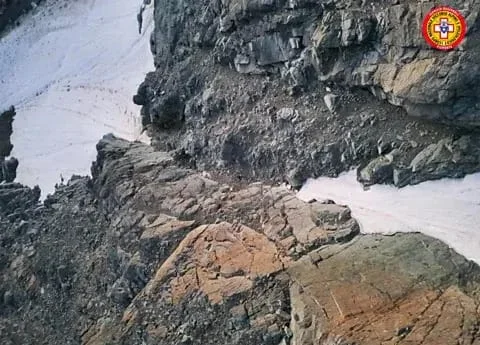
In this case, AI played a crucial role in analyzing thousands of images captured by drones. While it ultimately helped locate the individual, the outcome was tragically too late. This incident emphasizes the importance of refining AI technologies to work faster and be deployed more widely in emergency situations.
The Key Details
On a fateful day, Nicola Ivaldo went missing in the Italian Alps, prompting a search operation that employed drones to cover a vast area. The drones collected numerous images, far too many for human search teams to sift through effectively. However, AI pattern detection tools were utilized to analyze these images and identify potential locations where Ivaldo might be.
Despite the technology's success in pinpointing his location, the search ended in tragedy. His remains were discovered only after it was too late, reminding us that while technology can aid in rescue efforts, it is not a substitute for timely intervention. The ability to quickly analyze data is crucial in life-and-death situations, and this incident highlights the need for faster deployment and processing capabilities.
The Technology Behind It
The drones used in this operation were equipped with advanced imaging technology, capable of capturing high-resolution photos across large areas. The challenge lies in the sheer volume of data generated—thousands of images that need to be analyzed swiftly to be effective in a rescue operation. AI pattern detection algorithms can automate this process, identifying anomalies that might not be visible to the naked eye.
These algorithms work by training on previously labeled data, allowing them to recognize specific features, such as clothing colors or other unique identifiers. In this case, the AI was able to identify Ivaldo's red helmet, which ultimately led to the discovery of his remains. Enhancing the speed and accuracy of these algorithms could significantly improve outcomes in future rescue efforts.
Broader Implications of AI in Rescue Operations
This incident serves as a reminder of the positive potential of AI amidst the often negative narratives surrounding technology. While discussions around AI frequently focus on its risks, such as privacy concerns and misuse, this application demonstrates how AI can be harnessed for life-saving purposes.
For entrepreneurs and creators, there are several takeaways from this event:
Explore AI in Emergency Services: If you're in the tech space, consider how your solutions could improve emergency response times and effectiveness. Whether through better data analysis, communication systems, or AI training, there are opportunities to innovate.
Invest in AI Development: If you’re involved in AI development, focus on enhancing the speed and accuracy of your algorithms. This incident highlights the need for faster processing times in critical situations, and there is a market demand for technologies that can meet this need.
Collaborate with Public Services: Partnering with local governments or rescue organizations can provide insights into their specific needs and challenges, helping you tailor your AI solutions to address real-world problems effectively.
Moving Forward
While the outcome of this search was tragic, it also provides a valuable learning opportunity for the AI community. As we refine our technologies, the focus should be on improving response times and ensuring that AI tools can be deployed effectively in emergencies. The potential for AI to save lives is immense, and it's an area that deserves more attention and investment.
In the wake of such incidents, it’s essential for the tech community to engage with public safety organizations to create solutions that can enhance their operations and ultimately save lives. By doing so, we can shift the narrative around AI from one of fear to one of positive impact and community support.
Conclusion
The use of AI in search and rescue operations is a developing field with significant potential. As demonstrated by the tragic search for Nicola Ivaldo, while AI can aid in locating missing persons, its effectiveness is contingent on timely deployment and processing. By focusing on enhancing these capabilities, we can harness AI’s power for good and ensure that it serves as a tool for saving lives when it matters most.
Key Terms Explained
AI Pattern Detection
A technology that identifies patterns in data, often used for image recognition and anomaly detection.
Drones
Unmanned aerial vehicles used for capturing imagery and data from above, increasingly utilized in various sectors including search and rescue.
Rescue Operations
Coordinated efforts to locate and assist individuals in distress, often in hazardous environments.
Image Analysis
The process of analyzing images to extract meaningful information, often enhanced by AI technologies.
AI Algorithms
Mathematical models used in AI to process data and make predictions or decisions based on that data.
What This Means For You
Enhancing Emergency Response
For entrepreneurs, the implications of this incident are clear: there’s a growing need for innovative solutions in emergency response. AI can streamline operations and improve outcomes, but it must be developed and deployed with urgency in mind.
Collaborate with Emergency Services: Engage with local authorities to understand their pain points and how AI can address them.
Focus on Speed: Develop algorithms that can process large datasets rapidly to assist in time-sensitive situations.
Raise Awareness: Promote the positive applications of AI to counterbalance negative narratives and highlight its potential for social good.
Actionable Steps
Entrepreneurs should consider the following actionable steps:
Invest in AI Training: Ensure your team is well-versed in the latest AI technologies and their applications in emergency services.
Prototype Quickly: Develop and test prototypes that can be rapidly deployed in real-world scenarios.
Seek Partnerships: Look for opportunities to partner with organizations focused on emergency response to pilot AI projects that can have meaningful impacts.
By focusing on these areas, entrepreneurs can not only advance their businesses but also contribute to a safer, more responsive society.
Frequently Asked Questions
How do AI drones assist in search and rescue?
AI drones capture aerial imagery and analyze it using pattern detection to locate missing persons quickly.
What are the limitations of AI in rescue operations?
AI can process data quickly, but it requires timely deployment and cannot replace human decision-making.
Can AI technologies be used in other emergency services?
Yes, AI can enhance various emergency services by improving data analysis, communication, and response times.
What are some practical applications of AI in business?
AI can automate processes, improve data analysis, enhance customer service, and drive innovation across industries.
How can entrepreneurs leverage AI for social good?
By developing solutions that address real-world problems, such as emergency response, entrepreneurs can create positive impacts.
Sources & References
Love AI with Kyle?
Make us a Preferred Source on Google and catch more of our coverage in your feeds.