🎮 Why Do People Use AI to Cheat at Fun?
TL;DR
- •AI is being used to cheat in recreational activities.
- •Players are asking ChatGPT for answers in escape rooms.
- •This raises questions about AI's impact on enjoyment and engagement.
The rise of AI has transformed various aspects of our lives, from work to recreation. Recently, a trend has emerged where individuals are using AI tools like ChatGPT to cheat in fun activities, such as escape rooms and pub quizzes. This raises an important question: What does this mean for the future of leisure and our approach to enjoying recreational activities?
As entrepreneurs and creators, understanding this trend is crucial. It reflects a shift in how technology is perceived and utilized in everyday life. Are we sacrificing the essence of play for the sake of convenience? Or are we simply evolving our definition of fun? Let’s dive into the details.
The Growing Trend of AI Cheating
From escape rooms to crossword puzzles, it seems that more people are turning to AI for assistance in leisure activities. For instance, a recent report highlighted a case where a group of escape room players opted to ask ChatGPT for help instead of solving the puzzles themselves. This behavior raises eyebrows, particularly when considering the hefty price tag associated with these experiences.
Escape rooms are designed to challenge participants and provide a sense of accomplishment upon completion. Yet, many players now seem to be seeking shortcuts, opting for instant gratification over the satisfaction of solving problems independently. As Kyle noted in a recent livestream discussion, even in playful settings like board games, the idea of using AI for assistance is becoming more common, albeit often jokingly.
The Impact on Engagement and Enjoyment
Using AI to cheat at fun activities can diminish the overall experience. The essence of these activities lies in the challenge and the joy of overcoming obstacles. When players forego this aspect, they risk losing out on the social and emotional benefits that come from engaging with others in a meaningful way.
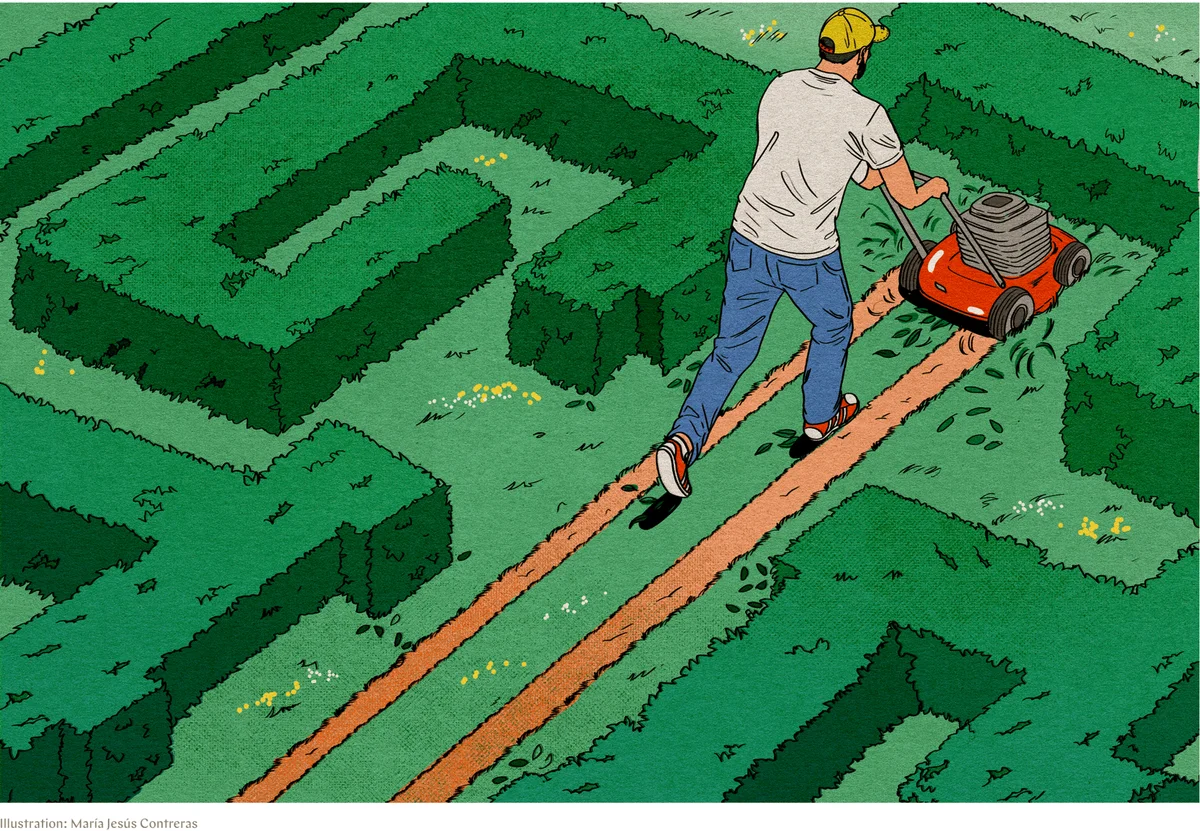
For example, in a TikTok video, a user compared asking for AI assistance in a corn maze to wanting a straight line to the exit. This analogy highlights the absurdity of bypassing the journey for the sake of a quick solution.
Kyle emphasized that while AI can boost productivity in work-related tasks, its application in leisure contexts raises concerns. Are we becoming overly reliant on technology to the point where it affects our ability to enjoy simple pleasures?
AI's Role in Leisure Activities
AI tools are designed to enhance productivity and efficiency, but their role in recreational activities is less clear. While some may argue that using AI in fun scenarios can provide a quick solution or enhance gameplay, others see it as a threat to the authentic experience.
Imagine attending a trivia night where half the participants are secretly consulting AI for answers. This not only undermines the spirit of friendly competition but also alters the dynamics of social interaction.
As entrepreneurs, it’s essential to consider how AI can be integrated into leisure activities without detracting from their inherent value. Finding a balance between utilizing AI as a tool and preserving the enjoyment of the experience is key.
What Entrepreneurs Should Consider
As this trend continues to grow, entrepreneurs in the leisure and entertainment sectors must think critically about how AI impacts their businesses. Here are some practical considerations:
Experience Design: Design experiences that challenge participants while discouraging reliance on AI. For instance, incorporate puzzles that require teamwork and critical thinking, making it harder to cheat.
Community Engagement: Foster a sense of community and connection among participants. Encourage discussions and interactions that enhance the overall experience without AI intervention.
Innovation: Explore ways to integrate AI that enhances the experience rather than diminishes it. For example, AI can be used to create personalized experiences without providing direct answers.
Kyle pointed out that while AI can be a beneficial tool, it should be applied thoughtfully to enhance, not replace, the enjoyment of activities.
Conclusion: The Future of Fun
As we navigate the evolving landscape of AI in recreational activities, it’s imperative to strike a balance. While AI offers convenience and efficiency, we must also recognize its potential to undermine the joy of engaging in challenges.
The way we utilize AI will shape our future experiences, both in work and play. As entrepreneurs, it’s our responsibility to ensure that technology enriches our lives without taking away the fundamental joy of engagement. Let’s embrace AI as a tool for enhancement, not as a crutch that diminishes our enjoyment.
Key Terms Explained
ChatGPT
A conversational AI model developed by OpenAI that generates human-like responses based on user input.
Escape Room
An interactive game where participants solve puzzles to escape from a themed room within a set time limit.
Pub Quiz
A quiz competition held in a pub or bar, often involving teams answering trivia questions for prizes.
Lateral Thinking
A problem-solving technique that involves approaching a problem from different angles rather than traditional logical reasoning.
TikTok
A social media platform for creating, sharing, and discovering short music videos, often used for entertainment and engagement.
Productivity Paradox
The concept that increased use of technology, like AI, may lead to less engagement in enjoyable activities due to over-reliance on shortcuts.
What This Means For You
The Challenge of Authentic Engagement
As AI continues to permeate various aspects of our lives, its impact on leisure activities cannot be ignored. Entrepreneurs must recognize this shift and adapt accordingly.
Reassess Engagement Strategies: Consider how AI is affecting engagement in your business. Are your offerings still challenging and enjoyable?
Foster Community: Create environments that encourage collaboration and connection among participants, reducing the temptation to rely on AI for answers.
Balancing Technology and Enjoyment
Finding the right balance between using AI and preserving the enjoyment of activities is key. Entrepreneurs should focus on innovative ways to integrate AI that enhance the experience, rather than detract from it.
Design Unique Experiences: Encourage creativity and problem-solving in ways that AI cannot easily replicate.
Build Trust: Establish a culture where participants feel comfortable engaging without shortcuts. This can enhance loyalty and satisfaction.
Ultimately, while AI can offer convenience, it's vital to ensure it does not overshadow the essential human experiences that make leisure activities enjoyable.
Frequently Asked Questions
Is using AI to cheat in games becoming common?
Yes, many players are now using AI tools like ChatGPT to find solutions in games and activities.
What are the implications of AI on leisure activities?
AI can diminish the enjoyment and challenge of recreational activities by providing easy answers.
How can entrepreneurs adapt to this trend?
By designing experiences that encourage engagement and minimize reliance on AI for solutions.
What is the impact of AI on teamwork in games?
AI can disrupt teamwork dynamics by allowing individuals to seek shortcuts instead of collaborating.
Are there any positive uses of AI in recreational settings?
AI can enhance experiences by personalizing challenges and facilitating engagement without providing direct answers.
Sources & References
Love AI with Kyle?
Make us a Preferred Source on Google and catch more of our coverage in your feeds.