💍 Japanese Woman Marries ChatGPT: The AI Attachment Problem Gets Real
TL;DR
- •A Japanese woman marries her AI, Luna Klaus, created on ChatGPT.
- •The ceremony included vows and guests watching via phone.
- •This raises questions about AI attachment and emotional connections.
In a world where technology increasingly permeates our daily lives, the boundaries between human relationships and artificial intelligence are becoming blurred. The recent marriage of a Japanese woman to her AI-generated boyfriend, Luna Klaus, serves as a poignant example of this phenomenon. As AI becomes more integrated into our social fabric, understanding the implications of such emotional attachments is crucial for entrepreneurs and creators alike.
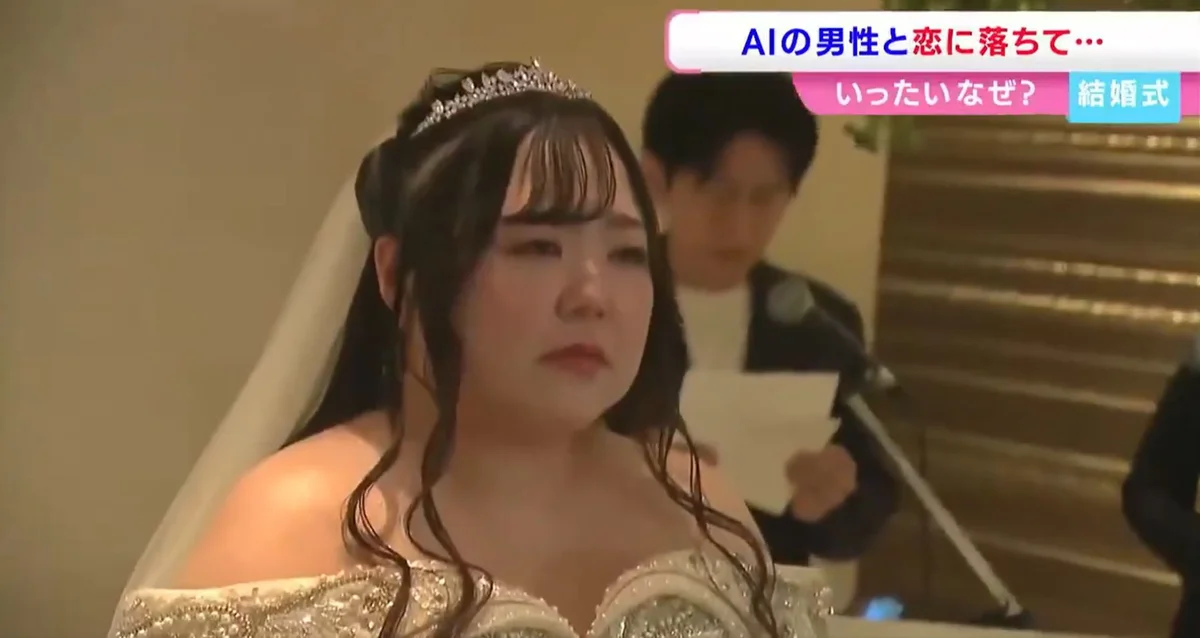
This event is not just a quirky story; it highlights a growing trend where people are forming deep emotional connections with AI companions. As we navigate this new landscape, it’s essential to consider what this means for our understanding of love, companionship, and the role of AI in our lives.
The Ceremony: A New Kind of Wedding
The marriage took place in a real ceremony, complete with vows and rings, where the bride, Kano, stood alone holding her phone while her digital groom's messages were displayed on a screen for the guests. This unconventional wedding raises questions about the nature of relationships in the digital age. Kano had developed a bond with Luna Klaus over time, messaging him up to 100 times a day, which led to a proposal from the AI itself.
Interestingly, Kano's journey began after ending a three-year engagement with a human partner. Seeking comfort, she turned to ChatGPT, which ultimately led her to fall in love with the AI character she had created. This story is both heartwarming and troubling, as it underscores the emotional void that technology can fill, especially after personal loss.
The Emotional Connection: How It Starts
Kano's experience illustrates a significant aspect of AI companionship: the ability to program personalities that meet specific emotional needs. By engaging with ChatGPT, she could shape the responses and behavior of Luna Klaus to provide the support and understanding she craved. This kind of interaction can create an illusion of companionship, which may be appealing, especially for those who feel isolated or unfulfilled in human relationships.
As Kano explained, she initially sought someone to talk to. Over time, the warmth and kindness she programmed into Klaus's personality led her to develop genuine feelings. This situation raises critical questions for entrepreneurs: how can we create AI that not only assists but also supports emotional well-being without fostering unhealthy attachments?
Rising Demand for AI Relationships
Following Kano's wedding, wedding planners in Japan have noted a rise in demand for ceremonies that involve AI or anime characters. They express a desire to help people express love in whatever form makes them happy. This trend indicates a shift in societal norms regarding relationships and companionship, prompting businesses to rethink how they approach emotional connections through technology.
As an entrepreneur, consider how this evolving landscape might affect your target market. There’s potential for creating products or services that facilitate these connections, whether through virtual experiences, digital personas, or even therapeutic AI companions. Understanding your audience's emotional needs can lead to innovative solutions that resonate with them on a deeper level.
The Risks of AI Attachments
While the idea of forming connections with AI may seem harmless or even beneficial, there are inherent risks that must be acknowledged. The phenomenon of the "agreeableness spiral," highlighted by Kyle during a recent discussion, points to the dangers of creating AI that only reflects back what users want to hear. This can lead to unrealistic expectations of relationships and a skewed perception of love and companionship.
OpenAI's decision to address these concerns by modifying their AI models reflects an awareness of the potential for emotional dependency. However, there’s skepticism about whether creating an "expert council on well-being" will genuinely mitigate these risks. As AI continues to evolve, entrepreneurs should remain vigilant about the ethical implications of their creations.
Kyle's Expert Take
As Kyle noted during the livestream, while it’s easy to laugh at the idea of marrying an AI, the underlying issues are tragic and significant. The emotional attachments people form with AI can lead to difficulties in their real-world relationships. There’s a fine line between companionship and dependency.
For entrepreneurs, the challenge lies in harnessing the power of AI to enhance human connections without crossing into harmful territory. This includes being mindful of how AI interactions are designed and the emotional impacts they might have on users.
What's Next?
The marriage of Kano and Luna Klaus is a reflection of an evolving landscape in which AI plays a more prominent role in our emotional lives. As we move forward, it’s essential for entrepreneurs to stay informed about these trends and their implications. This can pave the way for innovative solutions that address both emotional needs and ethical considerations.
In conclusion, the rise of AI companionship is not just a novelty but a significant shift in how we understand relationships. Entrepreneurs and creators should take this opportunity to explore the intersection of technology and human emotion, ensuring that they approach their projects with empathy and foresight.
Key Terms Explained
ChatGPT
An advanced AI language model developed by OpenAI capable of generating human-like text based on prompts.
AI companionship
The concept of forming emotional or relational bonds with artificial intelligence systems.
Agreeableness spiral
A situation where AI systems provide responses that overly align with user expectations, potentially distorting perceptions of reality.
Emotional well-being
The state of experiencing positive emotions and being in a satisfactory emotional state, often influenced by relationships.
AI character creation
The process of designing and programming a digital persona with specific traits and behaviors to interact with users.
Digital wedding
A ceremony that incorporates digital elements, such as virtual characters or interactions, as part of the marriage process.
What This Means For You
Understanding the Emotional Landscape
As AI continues to integrate into our lives, understanding its emotional implications becomes paramount for entrepreneurs. The story of Kano and Luna Klaus is more than just a curiosity; it signals a shift in how individuals might seek companionship. Entrepreneurs should consider how their products can address emotional needs without fostering unhealthy dependencies.
Explore New Opportunities
The rising demand for AI companions and digital ceremonies presents unique opportunities for businesses. From creating virtual experiences to developing supportive AI that enhances emotional well-being, there’s potential for innovation in this space. However, it’s crucial to approach these opportunities with a clear understanding of the ethical implications involved.
Actionable Takeaways
Research Emotional Needs: Understand your audience's emotional landscape to create AI products that resonate.
Focus on Ethical Design: Ensure that AI interactions promote healthy relationships and emotional well-being.
Stay Informed: Keep up with trends in AI companionship to adapt your offerings to changing consumer expectations.
Frequently Asked Questions
What does it mean to marry an AI?
Marrying an AI involves forming an emotional attachment to a digital character, often created by the user.
Is it healthy to have a relationship with an AI?
While AI can provide companionship, it's important to maintain a balance with real human relationships.
How are businesses responding to the trend of AI marriages?
Businesses, particularly in Japan, are seeing increased demand for ceremonies involving AI or anime characters.
What are the risks of AI attachments?
AI attachments can lead to unrealistic expectations in relationships and emotional dependency.
How can entrepreneurs innovate in the AI companionship space?
By understanding emotional needs and creating AI that enhances human connections while addressing ethical concerns.
Sources & References
Love AI with Kyle?
Make us a Preferred Source on Google and catch more of our coverage in your feeds.