🧬 I Turned My Genome Into Wall Art
TL;DR
- •You can turn your genome into personalized art using AI.
- •This approach offers a unique gift idea or business opportunity.
- •AI tools make art creation accessible to everyone.
With the continuous evolution of artificial intelligence, new opportunities are emerging every day. One intriguing development is the ability to transform personal genome data into unique pieces of art. This not only serves as a novel way to express individuality but also opens up avenues for entrepreneurs looking to carve out niche markets. As AI becomes increasingly accessible, the barriers to creating personalized art are lowering, allowing anyone with a genome file to participate.
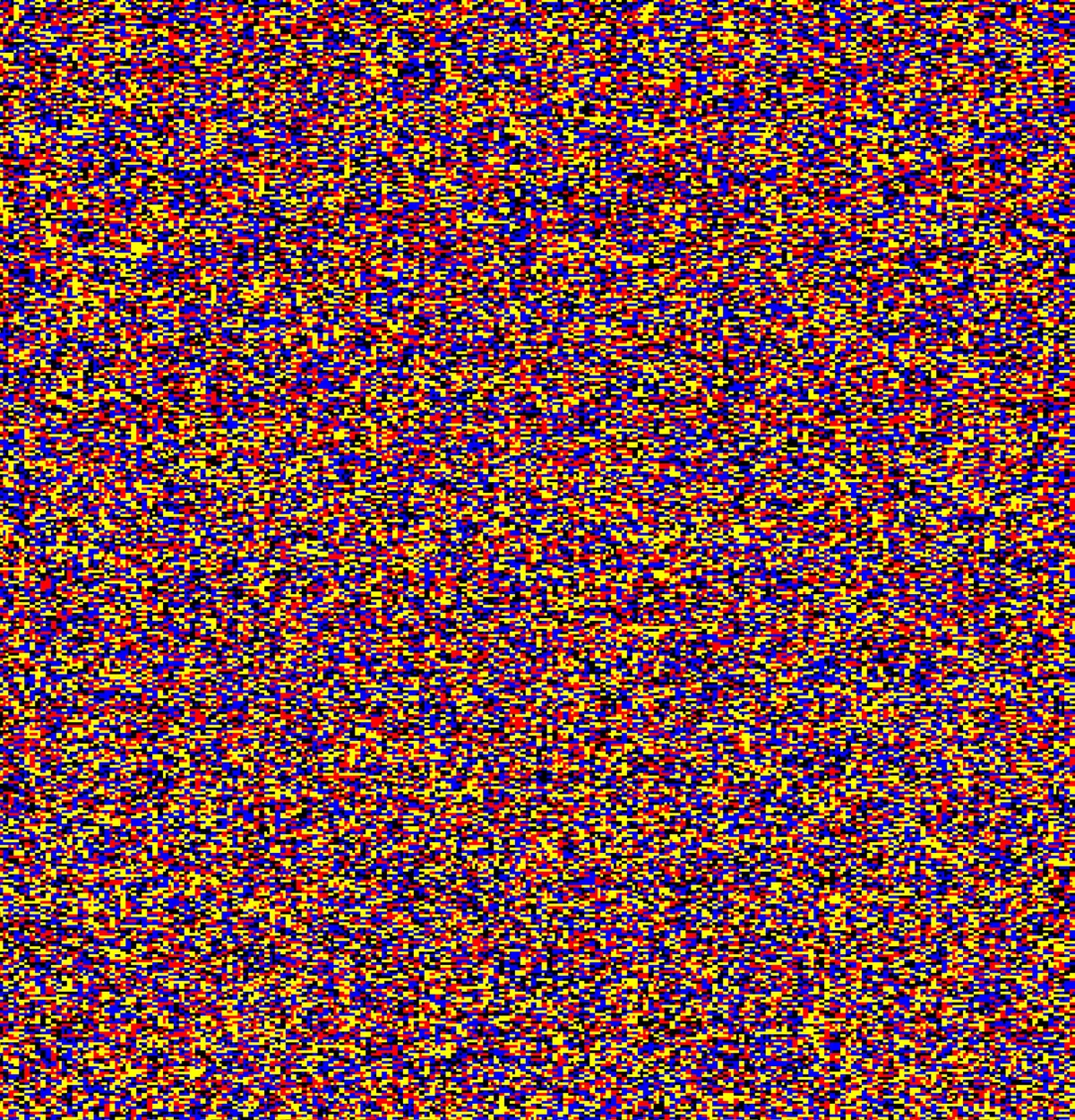
Turning your genome into wall art may sound like a futuristic concept, but it’s now a reality. AI tools can visualize complex data, like your genetic makeup, into something that’s visually appealing. This trend is not just about aesthetics; it also taps into the growing interest in personalized and meaningful art. Imagine having a piece of art that represents your very DNA, or combining your genome with a partner’s to symbolize your shared future. Such concepts resonate well in a world that values personalization and uniqueness.
How It Works
The process is surprisingly straightforward. After obtaining your genome file—commonly from services like 23andMe—you can simply upload it to an AI tool. In this case, the AI model Claude was used to interpret the 5.5 megabyte genome file. Each nucleotide (adenine, cytosine, guanine, and thymine) is visualized as a different colored pixel. This kind of transformation allows for various design options, whether you prefer a neon aesthetic or a more muted palette.
Once the AI processes the data, you can adjust the resolution and format of the output. The result? A high-resolution, printable image of your genetic code that can be framed and displayed. This not only serves as a conversation starter but also as a personal memento.
The Creative Business Angle
For entrepreneurs, this brings up an interesting question: Is there a viable business model here? The answer is potentially yes. Personalized genome art could be marketed as a unique gift for special occasions like anniversaries, weddings, or even as a creative way to celebrate family connections. Think about creating art that incorporates the genomes of both partners, which could symbolize their future offspring or the blending of two families.
Additionally, as AI tools become more user-friendly, the process of creating such art will become even easier and more accessible. This opens the door for workshops or online courses where individuals can learn how to create their own genome art using AI. You could provide the necessary tools and guidance, allowing people to walk away with a piece of art that’s not only personalized but also a reflection of their identity.
The Technological Implications
This project highlights the growing capabilities of AI in creative fields. Tools like Claude and other generative models are not just limited to text or programming but extend into visual arts as well. This democratization of art creation is significant; it means that anyone, regardless of their technical skills, can create something unique.
Furthermore, the ability to visualize complex data like a genome in a way that’s aesthetically pleasing indicates a shift in how we interact with data. It emphasizes the importance of data visualization in making complex information understandable and engaging. As more people become aware of their genetic makeup, the demand for creative expressions of this data could grow, leading to new business opportunities in the art and design sectors.
Final Thoughts
The idea of turning your genome into wall art presents a fascinating intersection of technology, creativity, and personalization. As AI continues to advance, the possibilities for unique, personalized creations are seemingly endless. It’s a reminder that in today’s world, your imagination is the only limitation when it comes to leveraging AI for creative projects.
So, whether you’re an entrepreneur looking for a fresh idea or simply someone interested in exploring your genetic heritage in a creative way, this project is a perfect example of how AI can transform personal data into art. Dive into this trend, and who knows what unique creations you could come up with!
What Can You Do Next?
Explore your genome: If you haven’t already, consider getting your genome sequenced to see what data you can work with.
Experiment with AI tools: Use AI models to visualize your genome or other complex data in creative ways.
Consider a business idea: Think about how you could turn this concept into a business by offering custom art pieces or workshops on genome art creation.
Engage with your community: Share your creations on social media or within networks to inspire others to join in on this creative endeavor.
Key Terms Explained
Genome
The complete set of genes or genetic material present in a cell or organism, determining its characteristics.
Nucleotide
The basic building block of nucleic acids, consisting of a base (adenine, thymine, cytosine, or guanine), a sugar, and a phosphate group.
Claude
An AI model developed by Anthropic known for its ability to generate text and visualizations based on user input.
Data Visualization
The graphical representation of information and data, helping to communicate complex data in a clear and visually appealing manner.
Personalized Art
Art that is customized for an individual, often reflecting their personal stories, experiences, or characteristics.
What This Means For You
The ability to turn genome data into art signifies a major shift for entrepreneurs and creators looking for unique business opportunities. As AI tools become more accessible, there are several key takeaways to consider:
Unique Value Proposition
Creating personalized genome art can cater to a growing market that values individuality. This is particularly relevant for gifts or commemorative pieces that symbolize personal relationships or family connections.
Leveraging AI
With the rise of user-friendly AI tools, entrepreneurs can quickly prototype and create products without needing extensive coding or design skills. This lowers the barrier to entry for launching new ideas, making creativity more accessible.
Expanding Personalization Trends
In a world increasingly focused on personalized experiences, genome art aligns perfectly with consumer desires for unique, meaningful items. It encourages exploration of personal identity through creative expression.
By tapping into these trends, you can capitalize on the movement towards personalization in art and engage customers in a meaningful way.
Frequently Asked Questions
How can I create my own genome art?
Obtain your genome file from a service like 23andMe and use an AI tool to visualize it as art.
What tools can I use to turn my genome into art?
AI models like Claude can help visualize your genome data into artistic formats.
Is genome art a viable business idea?
Yes, personalized genome art can be marketed as unique gifts or creative expressions.
What are the benefits of genome art?
It serves as a personal memento, a conversation starter, and a unique way to explore your identity.
Can I combine genomes with someone else's for art?
Yes, you can merge your genome with a partner's to create unique representations.
Sources & References
- YouTube Discussion on Genome Artofficial
Love AI with Kyle?
Make us a Preferred Source on Google and catch more of our coverage in your feeds.