✍️ "I Trained AI to Replace Me, Then Got Laid Off" - Copywriter Reality Check
TL;DR
- •Copywriters face job displacement as AI takes over tasks.
- •AI training roles could lead to layoffs, as seen in Jacques' story.
- •The future of entry-level positions remains uncertain in AI-driven industries.
The rise of AI technologies is transforming job landscapes across various industries, particularly in creative fields like copywriting. As AI systems become more capable, many tasks traditionally performed by humans are being automated. This shift raises important questions about job security, the future of work, and the skills needed to thrive in an AI-driven economy.
For entrepreneurs and businesses, understanding these dynamics is crucial. Recognizing how AI can enhance productivity while also posing risks to employment can help you strategize and adapt your business models effectively.
The Reality of AI in Copywriting
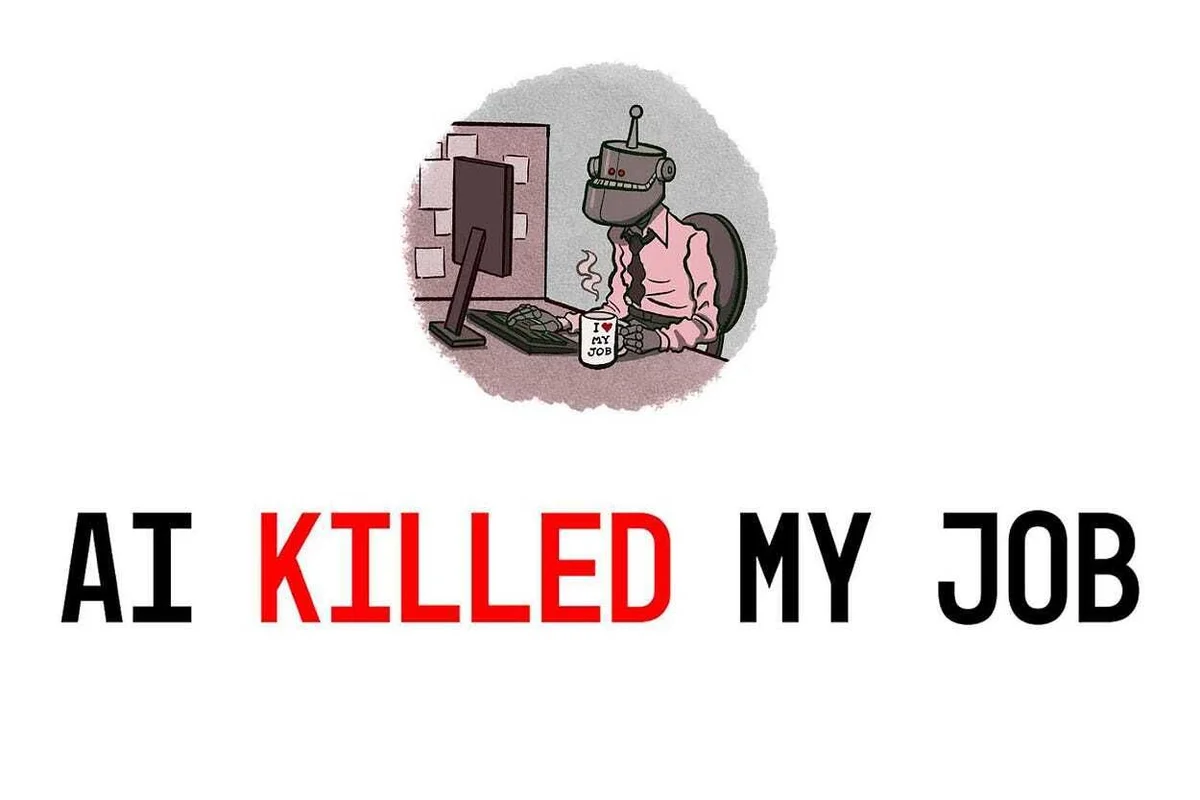
In a recent story shared by Blood in the Machine, a copywriter named Jacques revealed his experience with AI's encroachment into his profession. Initially, he was tasked with training AI systems to perform jobs he would have traditionally trained new human hires for. However, this led to an unexpected consequence: Jacques was laid off just months after the AI systems became proficient enough to handle the tasks independently.
Jacques' story is not isolated. Many professionals in creative roles are finding themselves in similar situations, where their responsibilities shift from creating content to managing AI tools. This raises a significant concern: if entry-level positions are eliminated or transformed, how will the next generation of professionals gain the experience needed to become senior leaders in their fields?
The Impact on Job Structures
This trend of AI taking over tasks rather than entire jobs has profound implications for career progression in many industries. For instance, in legal firms, tasks such as document review—once the domain of junior associates—are increasingly being handled by AI systems. This automation can deprive entry-level employees of valuable experience that is essential for their professional growth.
The concern extends beyond copywriting and law; it spans various sectors where junior roles are crucial for developing future leaders. If AI continues to replace foundational tasks, it creates a bottleneck in career advancement, ultimately affecting the overall talent pipeline in these industries.
The Economic Perspective
From an economic standpoint, businesses often prioritize efficiency and cost reduction. Labor is one of the largest expenses for companies, and if AI can perform tasks at a fraction of the cost, the incentive to reduce headcount becomes compelling. This is particularly relevant in environments where companies are under pressure to maximize profits and minimize operational costs.
As AI technology improves, the distinction between human and machine capabilities blurs, making it increasingly difficult for employees to compete. Companies may find it easier and more economically viable to rely on AI for routine tasks, leading to downsizing and layoffs as seen in Jacques' case. The challenge lies in balancing the benefits of AI with the need to maintain a skilled workforce.
Adapting to the New Landscape
For entrepreneurs and business owners, the key takeaway is to proactively adapt to this evolving landscape. Here are some actionable strategies:
Invest in Upskilling: Encourage continuous learning within your teams. Offering training programs on how to effectively use AI tools can empower employees and position them as valuable assets in a tech-driven environment.
Foster a Culture of Creativity: While AI can handle repetitive tasks, creative thinking and emotional intelligence remain uniquely human traits. Encourage your team to focus on innovation and creative problem-solving that machines cannot replicate.
Explore New Roles: As AI takes over certain tasks, new roles will emerge. Consider creating positions that focus on overseeing AI systems, ensuring ethical use, and integrating AI into business processes.
A Broader Perspective on Employment
It's essential to remember that behind every job loss statistic, there are real people with families and aspirations. Jacques' story is a reminder that while technological advancements can bring efficiency and innovation, they also have human costs that need to be acknowledged.
As businesses, we must strive to find a balance between leveraging AI and supporting our workforce. The future may require us to rethink how we structure jobs, ensuring that opportunities for growth and mentorship remain available even in an AI-enhanced world.
Conclusion
The conversation around AI and employment is complex and multifaceted. As we navigate these changes, it's crucial to maintain a focus on the human element of work. By understanding the implications of AI and adapting our strategies accordingly, we can create a more resilient and inclusive workplace that harnesses the best of both human creativity and technological innovation.
Key Takeaways
- AI is reshaping job roles, especially in creative fields like copywriting.
- The reduction of entry-level positions poses a risk to career development.
- Businesses must adapt by investing in upskilling and fostering creative roles to thrive in an AI-driven future.
Key Terms Explained
AI
Artificial Intelligence; technology that simulates human intelligence and performs tasks such as learning and problem-solving.
Copywriting
The act of writing text for advertising or marketing, intended to persuade consumers to take action.
Automation
The use of technology to perform tasks without human intervention, often leading to increased efficiency and cost savings.
AI Training
The process of teaching AI systems using data to improve their performance in specific tasks.
Entry-Level Positions
Jobs that require minimal professional experience and are typically designed for new graduates or individuals new to the field.
Labor Market
The supply and demand for labor, where employers seek workers and individuals seek jobs.
What This Means For You
Economic and Employment Implications
The shift towards AI in the workplace signals a significant change in how businesses operate. For entrepreneurs, this means acknowledging the potential for both efficiency gains and workforce challenges. As AI takes over routine tasks, the demand for human labor may decrease, particularly in entry-level roles. This could lead to a skills gap, where future leaders lack the necessary experience to ascend in their careers.
Strategies for Success
To navigate this evolving landscape, businesses need to prioritize strategies that foster human talent while integrating AI. This includes:
- Investing in Training: Ensure your team has the skills needed to work alongside AI technologies.
- Encouraging Creativity: Focus on tasks that require human ingenuity, fostering a culture of innovation.
- Rethinking Roles: Create new positions that leverage AI while providing growth opportunities for employees.
By taking these proactive measures, you can position your business to thrive in an AI-driven world while supporting the development of your workforce.
Frequently Asked Questions
How is AI impacting the job market for copywriters?
AI is automating many tasks traditionally done by copywriters, leading to job displacement and fewer entry-level opportunities.
What can businesses do to adapt to AI's influence on jobs?
Businesses can invest in employee training, foster creativity, and create new roles that integrate AI into their workflows.
Are all jobs at risk from AI automation?
Not all jobs will be replaced, but many roles will evolve, requiring new skills and adaptations.
What is the future of entry-level jobs in an AI-driven world?
The future is uncertain, but without entry-level positions, the path to senior roles may be hindered.
How can companies balance AI efficiency with human employment?
Companies should focus on upskilling employees while ensuring that creative and human-centric roles are maintained.
Sources & References
Love AI with Kyle?
Make us a Preferred Source on Google and catch more of our coverage in your feeds.