Google's Quiet Domination: 750 Million Gemini Users and Counting
TL;DR
- •Google's Gemini app reaches 750 million monthly users, closing in on ChatGPT.
- •Gemini's capabilities are integrated into Chrome, making it an AI-driven browser.
- •Google's vast resources position it well to lead in the AI space.
Google's recent announcement that its Gemini app has reached 750 million monthly active users is a significant milestone in the ongoing AI race. This surge in usage not only demonstrates the growing acceptance and reliance on AI technologies among users but also highlights Google's strategic positioning in the market. With AI becoming increasingly integral to everyday applications, understanding these developments is crucial for entrepreneurs looking to leverage AI for their own businesses.
As we observe this growth, it's essential to recognize the implications of Google’s advancements, particularly as they integrate AI capabilities into their flagship products like Chrome. This development signals a shift in how we interact with browsers and search engines, making it a vital area for entrepreneurs aiming to stay ahead in the digital landscape.
The Key Details
In their latest quarterly results, Google reported that the Gemini app has surpassed 750 million monthly active users. This figure is not just impressive on its own; it positions Gemini as a serious competitor to other AI applications like ChatGPT, which currently boasts around 900 million users. The speed of Gemini's adoption suggests that Google has effectively utilized its extensive resources, including its vast data ecosystem from Search, YouTube, and Maps, to enhance Gemini's capabilities.
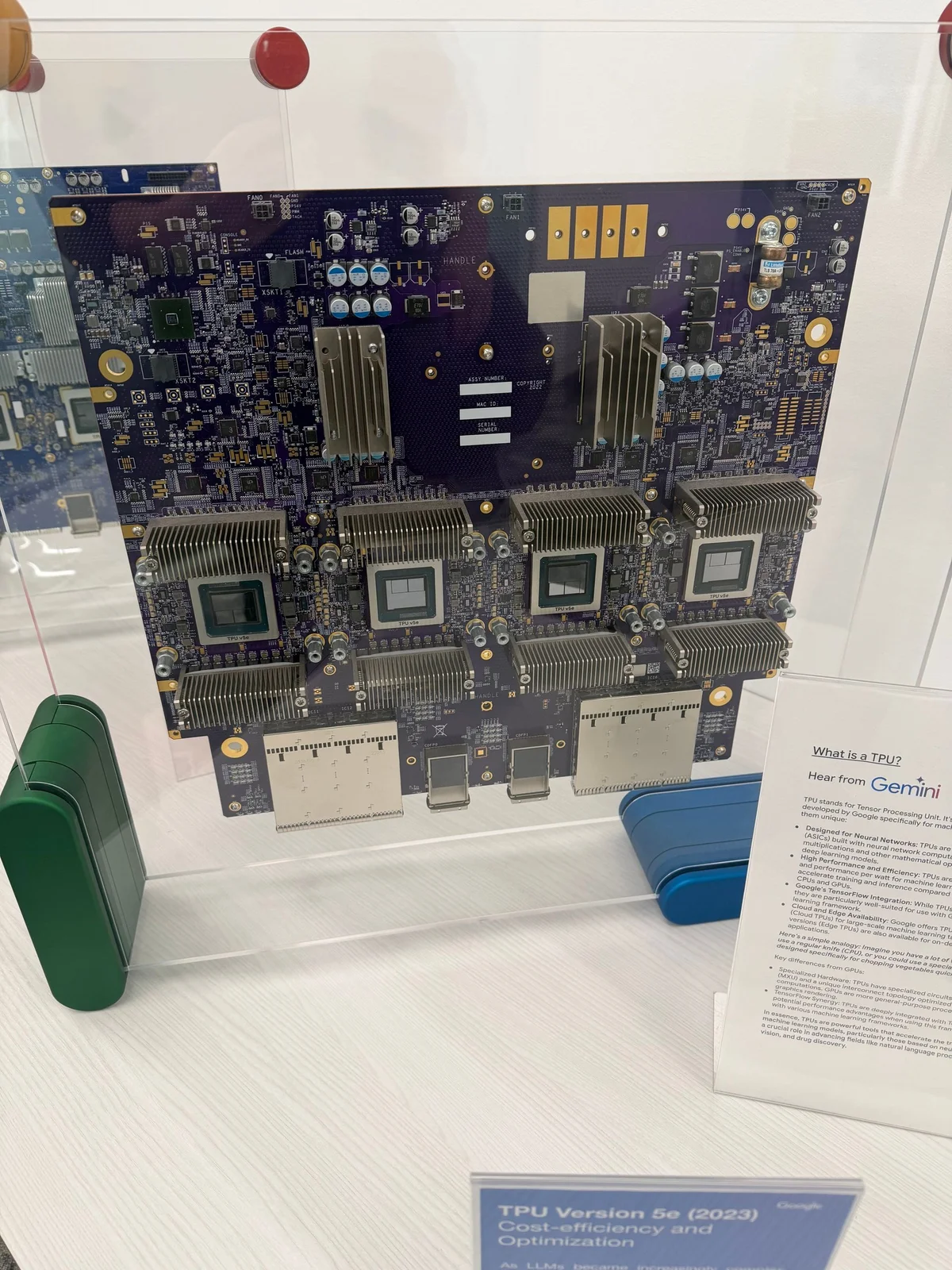
Google's AI stack, which includes their proprietary Tensor Processing Units (TPUs) and cloud infrastructure, has allowed them to develop robust AI solutions without needing to rely on external providers. This self-sufficiency is a significant advantage as it gives Google control over the entire AI development process, enabling them to innovate rapidly and efficiently.
AI Browser Capabilities
One of the most exciting aspects of this announcement is the integration of Gemini capabilities into Chrome, effectively transforming it into an AI-driven browser. The Gemini sidebar can now assist users by automating tasks such as booking train tickets or generating images based on web content. This level of interactivity not only enhances user experience but also presents a new frontier for entrepreneurs in terms of web application development and online services.
The potential for AI to streamline workflows through browsers means that businesses can find new ways to engage with customers. For instance, companies can leverage these AI features to enhance their e-commerce platforms, provide personalized recommendations, or automate customer service interactions.
Google's Strategic Positioning
While competitors like Anthropic and OpenAI engage in public battles over ad strategies and model capabilities, Google has been quietly building a formidable AI ecosystem. With Chrome holding a 70% market share in the browser space and Android similarly dominating the mobile market, Google’s reach is vast. This extensive infrastructure allows Google to implement AI solutions at a scale that few can match.
Moreover, Google's financial stability, driven by its core advertising business and other revenue streams, means it can sustain its AI initiatives without immediate pressure to monetize every feature through ads. This contrasts sharply with OpenAI's current need to generate revenue through advertising in services like ChatGPT, which can influence user experience and trust.
The Future of AI Integration
As we look ahead, the implications of Google’s advancements are profound. The integration of AI into everyday tools like web browsers not only enhances productivity but also democratizes access to advanced technologies for everyday users. For entrepreneurs, this means that leveraging AI tools is not just an option but a necessity to remain competitive in their respective fields.
Actionable Insights for Entrepreneurs
Embrace AI in Customer Interactions: Utilize AI tools to automate customer service or provide personalized experiences based on user behavior.
Explore New Business Models: Consider how AI capabilities can create new revenue streams or enhance existing products and services.
Stay Updated on AI Trends: Regularly monitor developments in AI technologies, especially from major players like Google, to identify opportunities for innovation and integration into your business.
By staying informed and adaptable, entrepreneurs can harness the power of AI to drive growth and improve operational efficiency.
Conclusion
Google's impressive growth in Gemini users and the integration of advanced AI capabilities into Chrome signifies a pivotal moment in the AI landscape. For entrepreneurs, understanding and leveraging these advancements will be key to staying competitive as AI continues to reshape industries. As we move forward, the focus should be on how to utilize these tools effectively and what new opportunities they present for business growth.
Key Terms Explained
Gemini
Google's family of multimodal AI models designed to perform a variety of tasks including natural language processing and image generation.
TPU
Tensor Processing Units (TPUs) are Google's custom-developed application-specific integrated circuits (ASICs) designed to accelerate machine learning tasks.
AI-driven browser
A web browser enhanced with artificial intelligence capabilities, allowing it to perform tasks automatically based on user actions.
Monthly Active Users (MAU)
A metric that indicates the number of unique users who engage with a product or service within a specific month.
Chrome
Google's web browser, which holds a significant portion of the global browser market share, known for its speed and integration with Google services.
What This Means For You
Embracing AI-Driven Solutions
The rise of Google’s Gemini and its integration into Chrome presents a unique opportunity for businesses to embrace AI-driven solutions. Entrepreneurs should consider how these advancements can be incorporated into their operations to enhance customer engagement and streamline processes. Automating tasks that were previously manual can free up valuable resources and allow teams to focus on strategic initiatives.
Adapting to Market Changes
With Google's dominance in AI, businesses must adapt to these changes to maintain relevance. Understanding the capabilities of AI tools and how they can be utilized effectively will be crucial for success. Entrepreneurs should invest time in learning about AI applications tailored to their industry, ensuring they are not left behind as the market evolves.
Future-Proofing Your Business
As AI technology continues to advance, entrepreneurs are encouraged to future-proof their businesses by integrating AI into their core strategies. This could mean developing AI applications in-house, partnering with tech companies, or leveraging existing tools. The goal should be to enhance operational efficiency, improve customer satisfaction, and drive innovation within their organizations.
Frequently Asked Questions
What is the importance of Gemini's 750 million users?
It signifies Google's strong position in the AI market and its potential to rival ChatGPT's user base.
How does Google's AI integration into Chrome affect users?
It enhances user experience by automating tasks and providing intelligent suggestions directly in the browser.
What advantages does Google have in AI development?
Google's vast data resources, proprietary technology like TPUs, and financial stability allow for rapid innovation.
What should entrepreneurs do with this information?
Leverage AI tools in customer interactions and explore new business models to stay competitive.
Sources & References
- Sundar Pichai on Xtweet
- Logan on Xtweet
- Google on Xtweet
Love AI with Kyle?
Make us a Preferred Source on Google and catch more of our coverage in your feeds.